Latest News
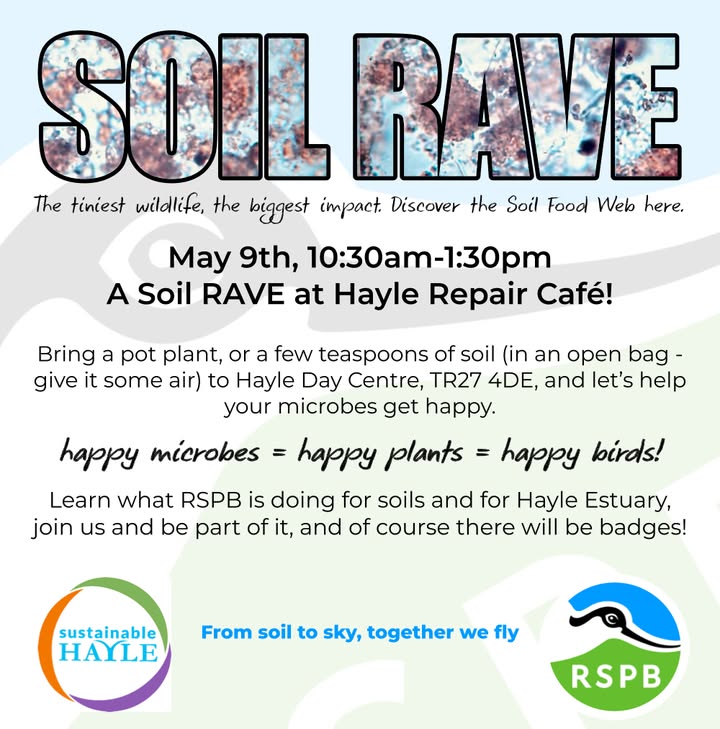

Sustainable Hayle is attending an event.
Next Saturday morning 😃
Sustainable Hayle
Next Saturday 10.30am
Sustainable Hayle
Next Saturday we're excited to host our annual Plant Swap alongside a Soil Rave. This is both in addition to all the usual repairs - bikes, electrical items and clothing. You can always get a free cuppa and chat too 😄😃

Sustainable Hayle
It's time to let nature do what it does best! 🎉
No Mow May is officially underway, and it's basically your chance to let your garden run wild for the sake of the wonderful wildlife on our doorstep.
By letting wildflowers like daisies, dandelions and clovers grow, you'll be supporting bees and butterflies - and even small wild patches add up to make a huge difference to nature!
Simply stop mowing your lawn (or even just a small part of it) and do more by doing less this spring 🙌
Sustainable Hayle
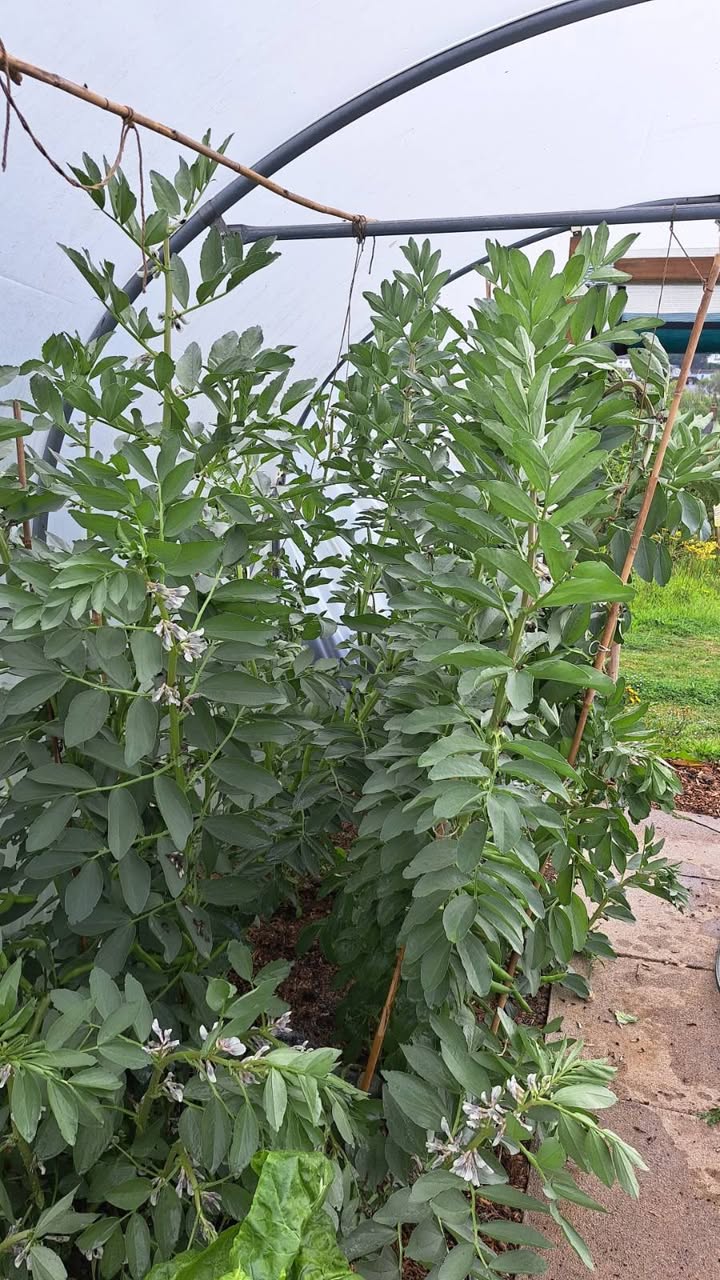
Community Allotment is looking good. Our first broad beans 😋


Sustainable Hayle
Thank you to everyone that has signed and shared. If you misssed it, please keep signing and sharing. The Cornwall Council meeting is next Tues 21st April.
Cornwall Council: Reconsider plan to resume widespread use of glyphosate

Sustainable Hayle
The Sustainable Penzance Community Hub is bringing the People’s Emergency Briefing to Ritz Penzance on May 27th.
The SPZ Community Hub is a collaboration of organisations, initiatives and volunteers in Penzance working to create a better future for people, place and planet. We’re members. Message Sustainable PZ for more info
FREE TICKETS to the screening here >> www.eventbrite.com/e/peoples-emergency-briefing-screening-tickets-1987130928098?utm_experiment=test_share_listing&aff=ebdsshios
Sustainable Hayle
Sign the Glyphosate petition! Glyphosate is a weedkiller. It’s linked to cancer, birth defects, biodiversity loss and water pollution. Basically it poisons the soil and water, it kills insects and it makes humans seriously ill (if not terminally). The International Agency for Research on Cancer (IARC), part of the World Health Organization (WHO), has classified glyphosate as "probably carcinogenic to humans". Glyphosate is also known to harm beneficial insects, aquatic life, and soil health. Cornwall Council stopped using it in 2013, but are now planning to reintroduce it to 'control' wild plants and invasive species in public spaces and byways. Why bring it back? The council says: 1. it’s costing more to adopt alternatives - including paying people to do the work (that’s jobs) 2. by not keeping on top of wild plants near roads, using alternatives available (which are effective if implemented properly), it’s causing damage to kerbs etc
Cornwall Council: Reconsider plan to resume widespread use of glyphosate
Sustainable Hayle updated their status.
When this happens, it's usually because the owner only shared it with a small group of people, changed who can see it, or it's been deleted.